


Sage announces the search for a new Editor of Policy, Politics, & Nursing Practice. This peer-reviewed, quarterly publication aims to provide accessible, relevant exploration of public policy, the legislative and regulatory processes, and their impact on nursing practice, examine nurses’ roles in health policy and the political process; and explore the role of nursing in the health care system and in health policy development. We are currently accepting editor applications for a three-year term, with a target start date of January 1, 2027. The current editor, Christine Kovner, is happy to discuss the role with anyone who is interested. Email: ctk1@nyu.edu
Trail Stop 2: Becoming a Reviewer and Accepting (or Declining) the Invitation
Many scholars seek to become peer reviewers but lack guidance. This article outlines how to start, emphasizing the importance of relevant expertise and professional visibility. It advises on qualifications, making direct inquiries to editors, and responding to invitations. Effective communication and self-assessment are key to successful peer reviewing.
Editor-in-Chief: Lippincott Nursing Open
Wolters Kluwer is currently inviting nominations and applications for the position of Editor-in-Chief of the newly created gold open access, online-only journal Lippincott Nursing Open. The journal will aim to serve as a comprehensive platform that drives evidence-based practice and professional development in nursing and healthcare. Lippincott Nursing Open will vigorously maintain high publishing standards … Continue reading Editor-in-Chief: Lippincott Nursing Open
Write What Hasn’t Been Written

Dr. Wyona Freysteinson's legacy in nursing extends beyond her scholarship; she inspired countless individuals to challenge norms and explore uncharted territories in their writing. Lisa Kelly reflects on Wyona's directive to "write what hasn't been written," emphasizing her profound impact on fostering creativity and confidence among emerging scholars in the profession.
Trail Stop 1: Why Peer Review Matters

Peer review is a crucial process in academic publishing, yet many reviewers lack formal training. As submission volumes rise, the demand for skilled reviewers increases, creating challenges. Despite potential biases in the process, peer review remains essential for improving manuscript quality and supporting scholarly dialogue. Aspiring reviewers are encouraged to engage.
Who Gets Credit for Research?

The hidden rules of academic authorship often disadvantage women researchers, leading to issues like ghost and gift authorship. A study revealed that many researchers experience problematic authorship practices, with women facing more challenges. To promote equity, clear authorship policies and training are essential for fostering open discussions and fair recognition in collaborative research.
Remembering Robin Cogan: It Started With One Article
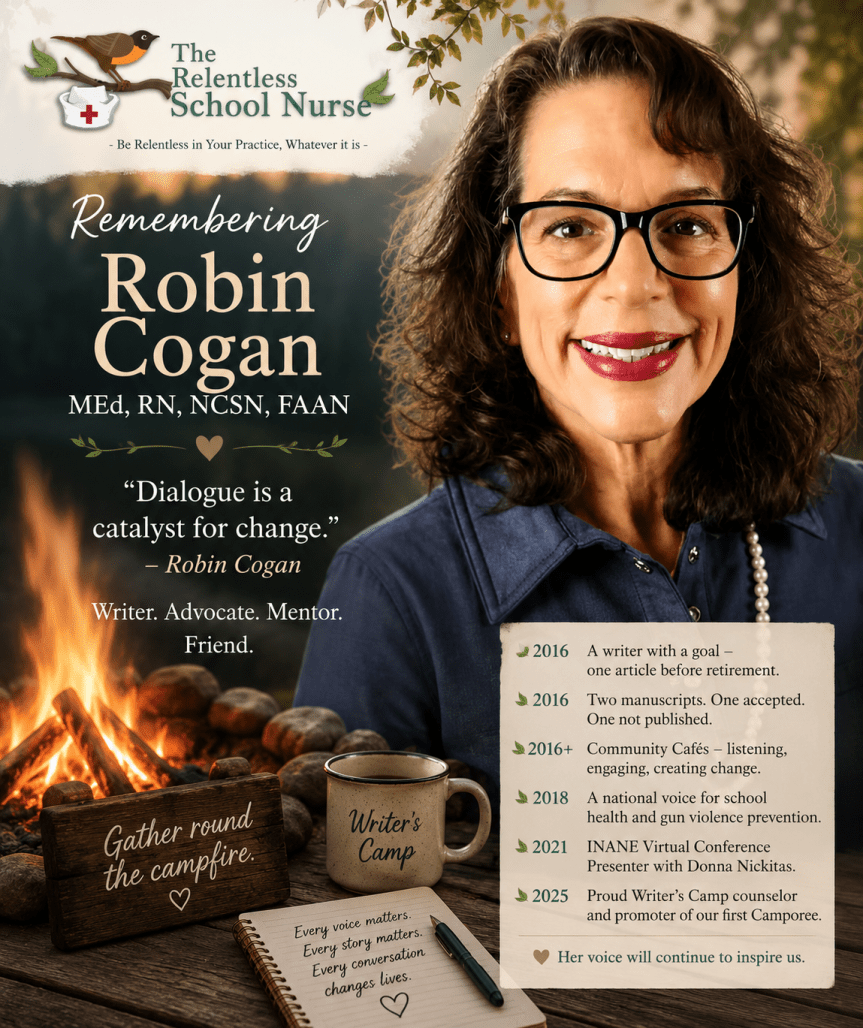
Robin Cogan, a dedicated advocate for school health and gun violence prevention, passed away recently, leaving a profound impact on many. Initially seeking to publish an article, she blossomed into a renowned writer and mentor, emphasizing the importance of dialogue and community engagement. Her legacy will be cherished by all she inspired.
A Conversation about The Conversation

Karen J. Foli discusses her experience publishing with The Conversation, a nonprofit news organization that collaborates with experts to present accessible content. She highlights the advantages of this model over traditional scholarly publishing, particularly during the COVID-19 pandemic, emphasizing the broad readership and opportunities that followed her article on nurses' psychological trauma.
Imposter Participants in Online Nursing Research: Prevalence, Red Flags, and Risk Mitigation Strategies
Richard J. Gray and colleagues address the significant issue of imposter participants in online nursing research, highlighting how fraudulent entries undermine data integrity and patient safety. The article discusses definitions, red flags, implications, and strategies for researchers to detect and manage these participants, emphasizing the need for vigilance and institutional support.
Trail Pack: Whose Shoulders Are You Standing On?

Daniel J. Pesut emphasizes the importance of recognizing intellectual lineage in nursing scholarship. He argues that foundational ideas often become "common knowledge," losing their historical context and acknowledgment. By honoring sources, scholars promote a culture of reciprocity and responsibility, ensuring that knowledge remains linked to its origins, enhancing integrity in the profession.
Summer of Peer Review Contest Winners

I am delighted to announce the winners of the Writer's Camp Summer of Peer Review contest! This year, we received exactly five entries—which means we had exactly five winners. Congratulations to all of our participants, who will each receive a Writer's Camp magnet. The prompt was... "The unofficial motto of peer review is..." Faith Tissot … Continue reading Summer of Peer Review Contest Winners
Commentary from Camp Leadership: Make it Look N.I.C.E.

Leslie Nicoll and Jenny Chicca emphasize the importance of presenting written work effectively in their guide to making manuscripts N.I.C.E.—Neat, Intentional, Correct, and Eye-catching. They highlight common writing pitfalls and offer strategies to enhance clarity and engagement, ultimately aiming to bolster credibility in academic publishing.