


Peer review is a crucial process in academic publishing, yet many reviewers lack formal training. As submission volumes rise, the demand for skilled reviewers increases, creating challenges. Despite potential biases in the process, peer review remains essential for improving manuscript quality and supporting scholarly dialogue. Aspiring reviewers are encouraged to engage.
Tag: authorship writing
Commentary from Camp Leadership: Make it Look N.I.C.E.

Leslie Nicoll and Jenny Chicca emphasize the importance of presenting written work effectively in their guide to making manuscripts N.I.C.E.—Neat, Intentional, Correct, and Eye-catching. They highlight common writing pitfalls and offer strategies to enhance clarity and engagement, ultimately aiming to bolster credibility in academic publishing.
Confessions of a Highlighter Addict

Molly McCullough discusses her journey from relying on highlighters to recognizing effective paraphrasing's role in writing and retaining information. She highlights the importance of understanding plagiarism and provides strategies for better paraphrasing. This approach enhances clarity, integrity, and academic success, emphasizing the need for proper citation practices.
Commentary from the Camp Director: Reference Managers Redux

Leslie H. Nicoll emphasizes the critical role of reference managers in maintaining integrity in scholarly writing, especially in an age where AI can generate fabricated citations. Authors must engage directly with cited sources to ensure accurate references, as the failure to do so undermines research integrity and accountability within academic publishing.
The Power of Parallelism

Parallel structure is a writing technique that enhances clarity and cohesion. By maintaining a consistent format for words and phrases, writers improve readability and help readers absorb key messages with less effort. This tool can be applied in various writing situations, transforming lists and sentences into well-organized, impactful text.
Version Control Is Editorial Kindness

Leslie H. Nicoll emphasizes the significance of effective version control in collaborative writing, highlighting its impact on trust, momentum, and overall productivity. Confusion over document versions can lead to unnecessary stress and inefficiencies. By establishing clear systems and using shared platforms, collaborators can mitigate these challenges, fostering a more caring and efficient writing process.
Misuse of Methods in Academic Publishing: A Growing Concern
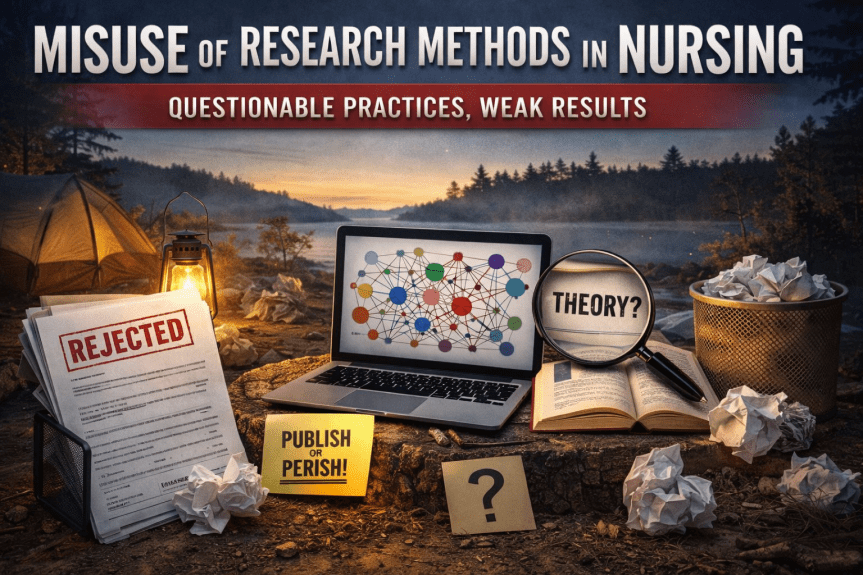
Editors Roger Watson and Mark Hayter highlight the troubling trend of method misuse in nursing research. Many complex studies lack theoretical foundations and meaningful contributions, driven by a "publish or perish" mentality. They urge a focus on substantive research questions and propose education reform for editors, reviewers, and academic leaders to combat this issue.
Artificial Intelligence and Academic Writing: Innovation with Integrity
Artificial intelligence (AI) is reshaping academic publishing by streamlining workflows, enhancing peer review processes, and offering significant administrative relief. While AI cannot replace human judgment, it assists in tasks like plagiarism detection. Ethical challenges regarding authorship are prominent, emphasizing the need for transparency and responsibility. Embracing AI is essential for scholars' development.
Cultivating the Publishable Writer Within
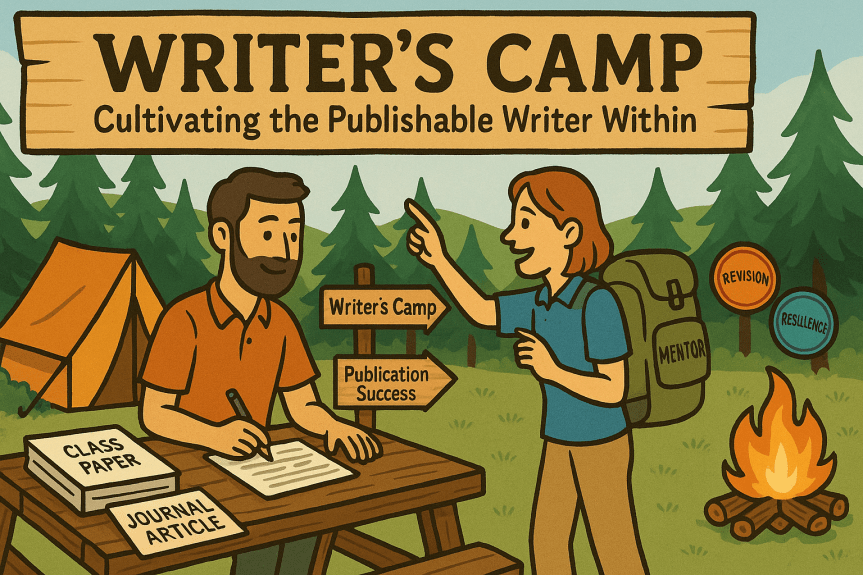
In Cultivating the Publishable Writer Within, Faith A. Tissot guides budding scholars in transforming academic assignments into publishable manuscripts. She highlights the need for persistence, resilience, mentorship, and daily writing. Drawing on Writer’s Camp resources and personal experiences, she shows how feedback and revision build confidence and lead to publication success.
Why You, and They, Need an ORCiD

The article emphasizes the necessity of obtaining an Open Researcher and Contributor identification number (ORCiD) for researchers and their co-authors. As publishers increasingly require ORCiDs for all authors, it highlights the importance of persistent identifiers in ensuring proper recognition and tracking of contributions, especially for community advisory board members.
Rejection, Resilience, and the Risk of Saying Yes

Lisa Kelly, a nurse researcher, discusses the emotional impact of rejection in nursing scholarship. Emphasizing that rejection is part of the academic journey, she encourages resilience and self-affirmation. Kelly highlights the significance of nurturing one's voice and confronting self-doubt, urging fellow scholars to persist and embrace their unique contributions to nursing literature.
Writing an Op-ed for Change

Sarah A. Martin shares her journey of becoming an op-ed writer for "On Call 4 Kids" to address firearm violence impacting children. After attending workshops and receiving mentorship, she details the process of writing, refining her piece, and navigating submissions. Martin emphasizes the influential role nurses can play in advocating for change through writing.