


Richard J. Gray and colleagues address the significant issue of imposter participants in online nursing research, highlighting how fraudulent entries undermine data integrity and patient safety. The article discusses definitions, red flags, implications, and strategies for researchers to detect and manage these participants, emphasizing the need for vigilance and institutional support.
Author: Jenny Chicca
Confessions of a Highlighter Addict

Molly McCullough discusses her journey from relying on highlighters to recognizing effective paraphrasing's role in writing and retaining information. She highlights the importance of understanding plagiarism and provides strategies for better paraphrasing. This approach enhances clarity, integrity, and academic success, emphasizing the need for proper citation practices.
Dear Colleague: Show Your Article Title Some Love with These Tips

Jenny Chicca highlights the importance of crafting an accurate and captivating title for scholarly articles, emphasizing how titles significantly affect discoverability. She provides tips on starting with the title, reviewing journal requirements, considering typical titles in the discipline, and utilizing help from colleagues or AI to enhance the title's effectiveness.
Academic Publishing Survives Despite Its Flaws
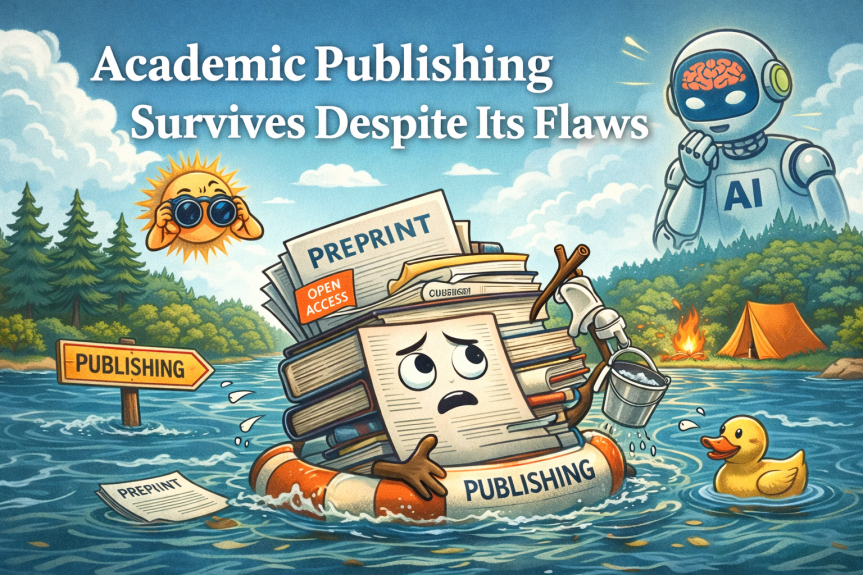
Roger Watson critiques the academic publishing model, emphasizing its resilience despite ethical concerns surrounding profit extraction from publicly funded research. He highlights issues like paywalls, predatory journals, and the impending threat of AI-generated content. While reforms are necessary, he questions their feasibility due to existing financial incentives linking universities, publishers, and academics.
The Power of Parallelism

Parallel structure is a writing technique that enhances clarity and cohesion. By maintaining a consistent format for words and phrases, writers improve readability and help readers absorb key messages with less effort. This tool can be applied in various writing situations, transforming lists and sentences into well-organized, impactful text.
Version Control Is Editorial Kindness

Leslie H. Nicoll emphasizes the significance of effective version control in collaborative writing, highlighting its impact on trust, momentum, and overall productivity. Confusion over document versions can lead to unnecessary stress and inefficiencies. By establishing clear systems and using shared platforms, collaborators can mitigate these challenges, fostering a more caring and efficient writing process.
We Get Letters

Rita H. Pickler discusses the roles of queries and letters to the editor in the publication process. Queries help authors assess manuscript fit with journals, while letters engage in critical discussions about published papers. Adhering to guidelines is essential for both, ensuring meaningful contributions to scholarly dialogue.
When Reporting Methods, Accurate Language Matters

Julee Briscoe Waldrop, Staci S. Reynolds, and Jayne Jennings Dunlap discuss the importance of precise language in reporting quality improvement (QI) initiatives versus research studies in nursing. They highlight common misconceptions, provide examples, and stress that correct terminology enhances publication acceptance and improves understanding for better healthcare practice.
Misuse of Methods in Academic Publishing: A Growing Concern
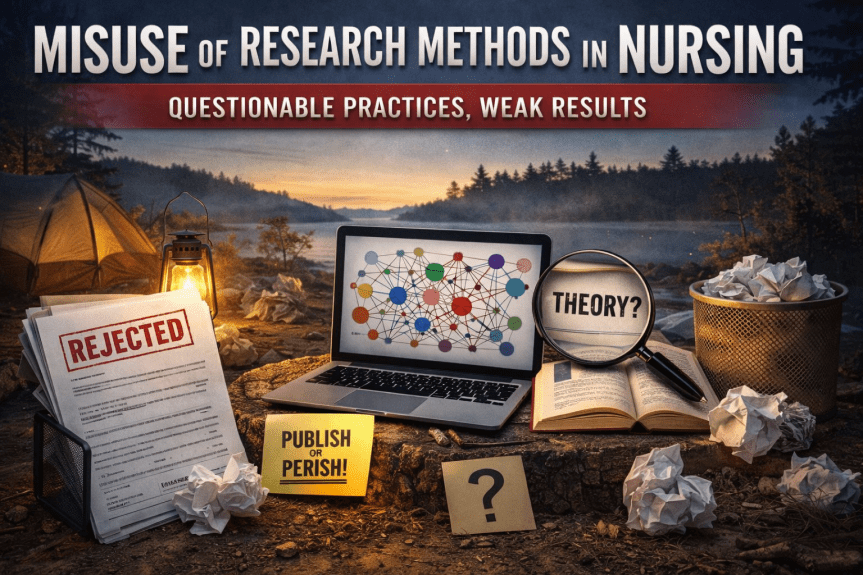
Editors Roger Watson and Mark Hayter highlight the troubling trend of method misuse in nursing research. Many complex studies lack theoretical foundations and meaningful contributions, driven by a "publish or perish" mentality. They urge a focus on substantive research questions and propose education reform for editors, reviewers, and academic leaders to combat this issue.
The Power of I (and Me): A Writer’s Guide to First Person Clarity

Faith A. Tissot explores the appropriate use of first-person pronouns “I” and “me” in scholarly writing. She emphasizes that understanding their grammatical roles enhances clarity and professional tone. Tissot also discusses how different style guides address these pronouns, advocating for attention to audience and context to improve academic writing effectiveness.