

Trust is essential in peer reviewing, requiring confidentiality, unbiased assessments, and professional conduct. Reviewers must navigate potential conflicts of interest, maintain respectful communication, and handle new AI technologies carefully. Upholding these ethical responsibilities enhances the credibility of scholarly publishing and fosters trust among authors, editors, and the academic community.
Tag: ethical issues
Who Gets Credit for Research?

The hidden rules of academic authorship often disadvantage women researchers, leading to issues like ghost and gift authorship. A study revealed that many researchers experience problematic authorship practices, with women facing more challenges. To promote equity, clear authorship policies and training are essential for fostering open discussions and fair recognition in collaborative research.
Confessions of a Highlighter Addict

Molly McCullough discusses her journey from relying on highlighters to recognizing effective paraphrasing's role in writing and retaining information. She highlights the importance of understanding plagiarism and provides strategies for better paraphrasing. This approach enhances clarity, integrity, and academic success, emphasizing the need for proper citation practices.
Academic Publishing Survives Despite Its Flaws
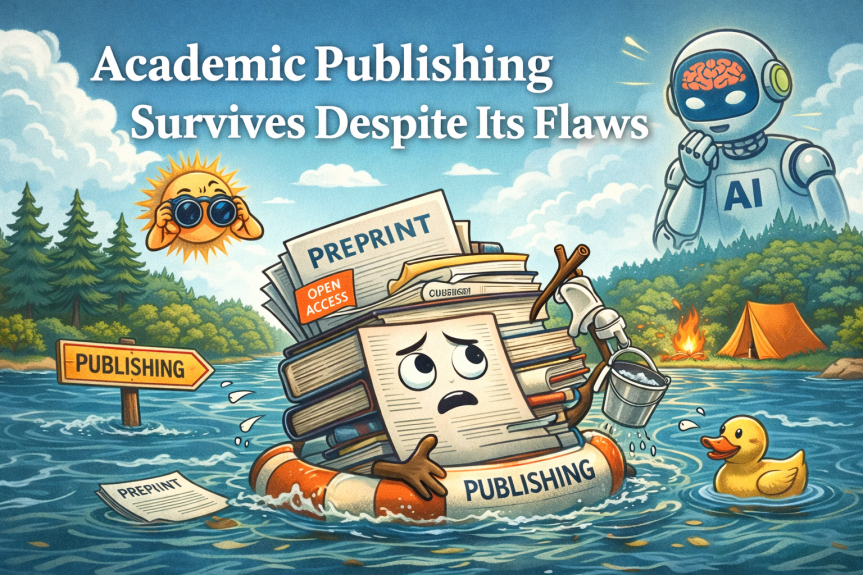
Roger Watson critiques the academic publishing model, emphasizing its resilience despite ethical concerns surrounding profit extraction from publicly funded research. He highlights issues like paywalls, predatory journals, and the impending threat of AI-generated content. While reforms are necessary, he questions their feasibility due to existing financial incentives linking universities, publishers, and academics.
Misuse of Methods in Academic Publishing: A Growing Concern
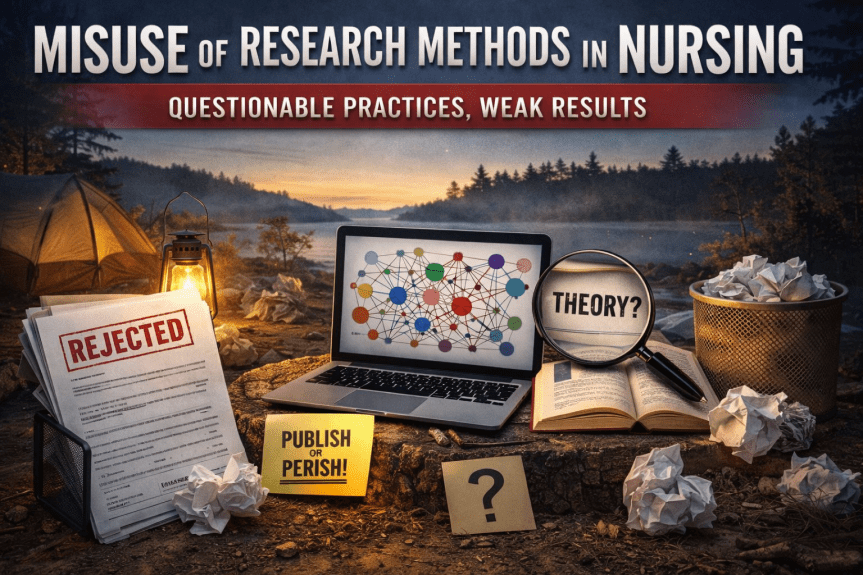
Editors Roger Watson and Mark Hayter highlight the troubling trend of method misuse in nursing research. Many complex studies lack theoretical foundations and meaningful contributions, driven by a "publish or perish" mentality. They urge a focus on substantive research questions and propose education reform for editors, reviewers, and academic leaders to combat this issue.
Artificial Intelligence and Academic Writing: Innovation with Integrity
Artificial intelligence (AI) is reshaping academic publishing by streamlining workflows, enhancing peer review processes, and offering significant administrative relief. While AI cannot replace human judgment, it assists in tasks like plagiarism detection. Ethical challenges regarding authorship are prominent, emphasizing the need for transparency and responsibility. Embracing AI is essential for scholars' development.
The Disappearing Writer: AI, Authorship, and the Fragile Future of Nursing Trust

Lisa Kelly reflects on the growing issue of AI misuse in nursing education, stemming from a personal experience with faulty citations. She emphasizes that reliance on AI threatens the integrity of nursing by eroding trust and inhibiting critical thinking. The need for transparency, vulnerability, and genuine engagement in writing is paramount to rebuild this essential trust within the profession.
When References Are Fabricated: A Quiet Warning from the Reference List
Parveen Ali emphasizes the critical importance of accurate referencing in academic work, sharing personal experiences that highlight its role in maintaining integrity. With the rise of AI tools generating fabricated references, she urges authors, editors, and educators to prioritize citation accuracy to uphold trust in academic scholarship and to prevent compromising ethical standards.
Are You Being Censored?

By Peggy L. Chinn, PhD, RN, FAAN Writer's Camp Counselor The United States is experiencing a challenging reality. The United States is currently experiencing the reality of authoritarian forces that are designed to limit free speech in ways that are ethically irresponsible—a reality that many other countries also have faced or are facing. There are … Continue reading Are You Being Censored?