

This article emphasizes the essential role of peer reviewers in the academic publishing process. It outlines effective evaluation practices, warns against common pitfalls like unconstructive criticism, and advises on setting clear boundaries within reviews. A good reviewer balances constructive feedback with respect, ultimately helping authors improve their work without overreaching.
Category: Writer’s Camp Feature
Writer’s Camp Features are in-depth, mentor-style articles that explore the craft, ethics, and practice of scholarly writing. These pieces go beyond quick tips to offer thoughtful guidance, practical strategies, and deeper reflections that help authors grow in confidence and skill. Each feature is written with Writer’s Camp’s signature clarity, warmth, and encouragement—supporting writers at every stage of their scholarly journey.
Trail Stop 6: Distinguishing Major and Minor Comments

This content outlines the essential skills for becoming an effective peer reviewer. It emphasizes the distinction between major and minor comments, advocating for organized, constructive feedback that prioritizes significant issues affecting a manuscript's quality. By focusing on the severity and revisability of concerns, reviewers can facilitate meaningful revisions and improve publication readiness.
Trail Stop 5: Writing Constructive Feedback

The article outlines essential guidelines for effective peer reviewing to enhance scholarly communication in nursing. Emphasizing constructive feedback, it encourages reviewers to be balanced, specific, transparent, and authentic in their critiques. By fostering a supportive environment, reviewers can help authors improve their manuscripts, thereby contributing significantly to the scholarly community.
Trail Stop 4: Editors’ Perspectives on Peer Review
The article highlights the critical role of peer review in academic publishing, discussing its evolution and current importance. It emphasizes the responsibilities of both editors and reviewers, detailing expectations for quality reviews, the management of conflicting opinions, and the subjective nature of the process. Overall, effective peer review is essential for maintaining publication standards.
Trail Stop 3: Reading Like a Reviewer

Christina M. Nyirati emphasizes that becoming an excellent peer reviewer involves shifting focus from mere reading to deep understanding of a manuscript's purpose and contribution. Effective reviewing requires analytical and constructive skills, balancing attention to details with an appreciation for broader concepts. Thoughtful, organized feedback aids both editors and authors in enhancing scholarly work.
Trail Stop 2: Becoming a Reviewer and Accepting (or Declining) the Invitation
Many scholars seek to become peer reviewers but lack guidance. This article outlines how to start, emphasizing the importance of relevant expertise and professional visibility. It advises on qualifications, making direct inquiries to editors, and responding to invitations. Effective communication and self-assessment are key to successful peer reviewing.
Write What Hasn’t Been Written

Dr. Wyona Freysteinson's legacy in nursing extends beyond her scholarship; she inspired countless individuals to challenge norms and explore uncharted territories in their writing. Lisa Kelly reflects on Wyona's directive to "write what hasn't been written," emphasizing her profound impact on fostering creativity and confidence among emerging scholars in the profession.
Trail Stop 1: Why Peer Review Matters

Peer review is a crucial process in academic publishing, yet many reviewers lack formal training. As submission volumes rise, the demand for skilled reviewers increases, creating challenges. Despite potential biases in the process, peer review remains essential for improving manuscript quality and supporting scholarly dialogue. Aspiring reviewers are encouraged to engage.
A Conversation about The Conversation

Karen J. Foli discusses her experience publishing with The Conversation, a nonprofit news organization that collaborates with experts to present accessible content. She highlights the advantages of this model over traditional scholarly publishing, particularly during the COVID-19 pandemic, emphasizing the broad readership and opportunities that followed her article on nurses' psychological trauma.
Commentary from Camp Leadership: Make it Look N.I.C.E.
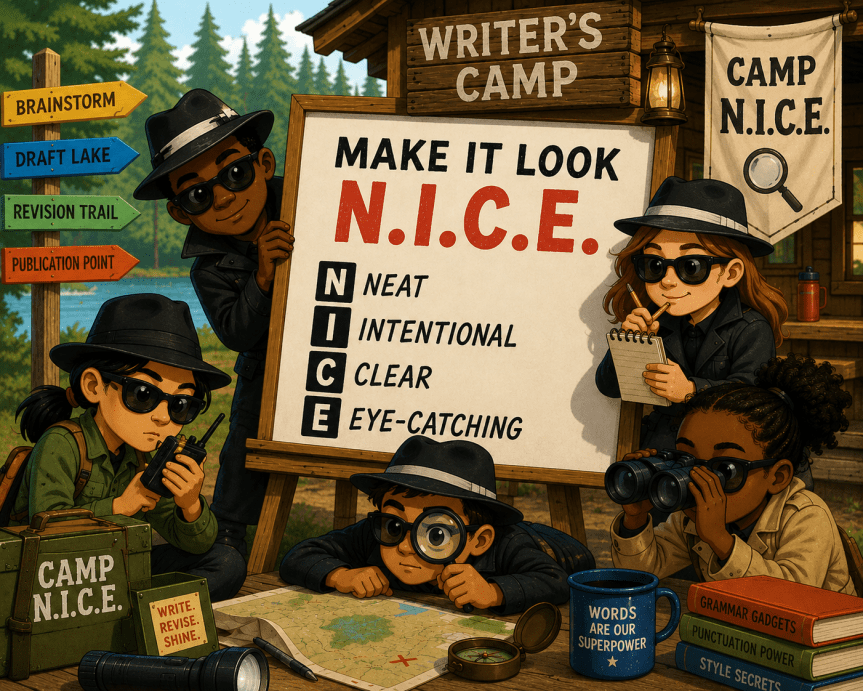
Leslie Nicoll and Jenny Chicca emphasize the importance of presenting written work effectively in their guide to making manuscripts N.I.C.E.—Neat, Intentional, Correct, and Eye-catching. They highlight common writing pitfalls and offer strategies to enhance clarity and engagement, ultimately aiming to bolster credibility in academic publishing.
Confessions of a Highlighter Addict
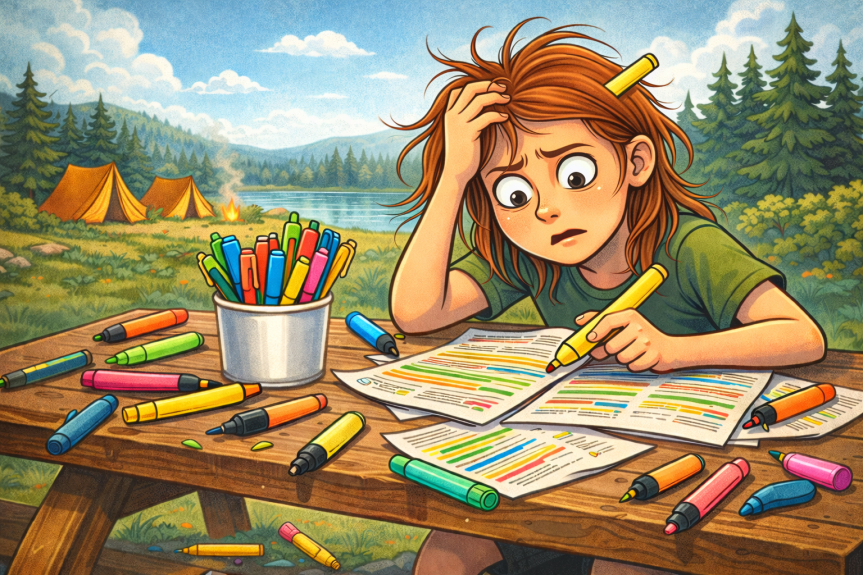
Molly McCullough discusses her journey from relying on highlighters to recognizing effective paraphrasing's role in writing and retaining information. She highlights the importance of understanding plagiarism and provides strategies for better paraphrasing. This approach enhances clarity, integrity, and academic success, emphasizing the need for proper citation practices.
The Publication Meeting You Keep Forgetting to Attend

Lisa Kelly emphasizes the importance of personal accountability in writing through the practice of monthly "publication meetings." These sessions help writers review their work, identify stalled pieces, and clarify commitments, fostering sustained progress without relying on external deadlines. This approach encourages intentional engagement with multiple projects, reducing the emotional stakes of rejection.