Welcome to Writer’s Camp!

I am delighted that you have found your way to Writer's Camp, a community that celebrates excellence in writing, editing, and publishing. While we emphasize these skills for nursologists, everyone is welcome. Take a few minutes to see what we have to offer.

You can be a learner, or if you are so inclined, you can write for Writer's Camp. Bookmark the site and visit it often — there's something new almost every day. I am glad you are here!
—Leslie H. Nicoll, Camp Director

Supporting Professionalism in the Editorial Process

Julee Briscoe Waldrop, DNP, PNP-C, EBP-C, FAANP, FAAN Jayne Jennings Dunlap, DNP, PhD, FNP, CNE, FAAN, FAANP Lisa Kelly, MSN, RN Writer's Camp Guest Counselor (JBW) and Counselors (JJD, LK) Emerging scholars reported experiences of unprofessional peer review, leading to hesitance in future submissions. While unprofessional reviews harm authors, editors play a key role in … Continue reading Supporting Professionalism in the Editorial Process

As an editor, how much do I need to worry about permissions?

Leslie H. Nicoll, PhD, MBA, RN, FAAN


At the Trailhead

  • Why this matters: Permissions issues can delay publication, add costs, and create copyright problems.
  • What judgment this supports: Editors need to recognize when material in a manuscript may require permission.
  • How an editor might use this: Identify potential permissions issues early and guide authors in resolving them.

This content is part of the Working Guide to Editorial Systems.

Access is available to subscribers.

Join us for practical guidance, real editorial decisions,

and to learn more about the systems that shape scholarly publishing.

Join Now to Continue Reading

Already a subscriber? Log in here

Nouns and Nominalization as Choices of Style

John Eric Bellquist examines nominalization and noun strings as choices of style in professional writing. Through examples from nursing literature, he shows how nouns can name useful concepts while verbs, possessives, and prepositions can clarify actions and relationships. The best choice depends on the intended meaning and what readers need to understand.

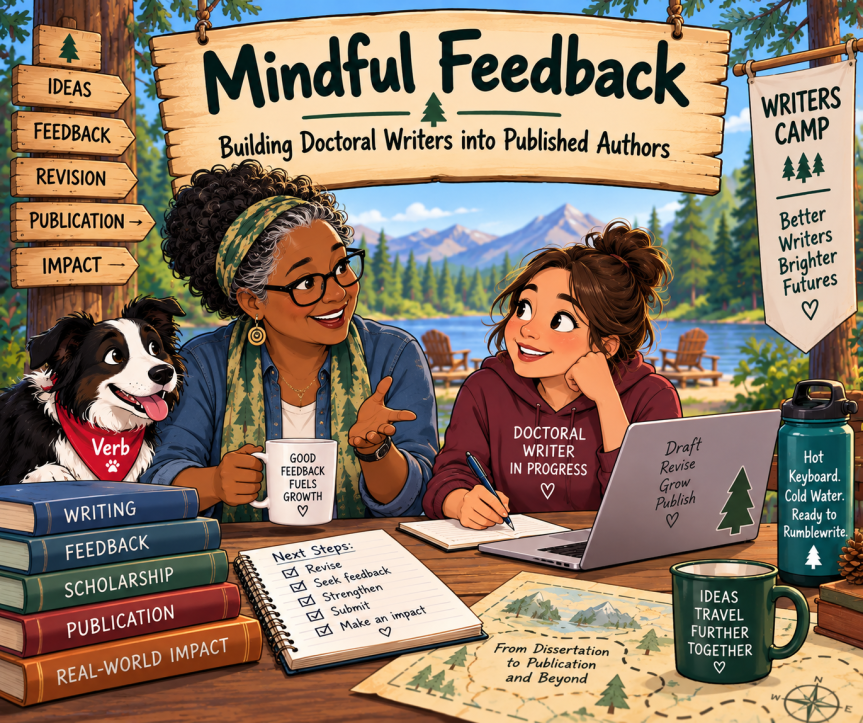
Mindful Feedback: Building Doctoral Writers into Published Authors

Meigan Robb emphasizes the importance of mindful feedback in the doctoral process, highlighting its role in shaping students into confident, published authors. By focusing on the writer's potential and guiding revisions without rewriting, faculty can foster motivation and self-efficacy, ultimately leading students to view feedback as a key part of their scholarly journey.

When is one reviewer enough?

Diane B. Monsivais, PhD, CNE, ANEF

  • Why This Matters: Editorial circumstances may arise when one peer review provides sufficient information to support an informed decision.
  • What judgment this supports: One peer review may provide enough credible, relevant, and thoughtful information to make a fair editorial decision.
  • How an editor might use this: Use the considerations in this article to assess whether you have enough information to make an acceptance decision or need additional peer review.

This content is part of the Working Guide to Editorial Systems.

Access is available to subscribers.

Join us for practical guidance, real editorial decisions,

and to learn more about the systems that shape scholarly publishing.

Join Now to Continue Reading

Already a subscriber? Log in here

Wordcraft at Camp: Dashing Along with the Em Dash, En Dash, and Hyphen

Teresa Shellenbarger’s Wordcraft lesson clarifies the distinct uses of hyphens, en dashes, and em dashes in writing. Hyphens join words, en dashes indicate ranges, and em dashes provide emphasis or interruption. Understanding these marks enhances clarity in scholarly and professional writing by improving readability and sentence structure.

The Journal Systems Framework: An Update—and a Request

In January 2026, the Journal Systems Framework (JSF) was introduced for a systems-based approach to scholarly journals. An update clarifies terminology across its four dimensions without altering the framework. The JSF is being cited in diverse contexts, prompting a call for authors to report their uses to track its impact and evolution.

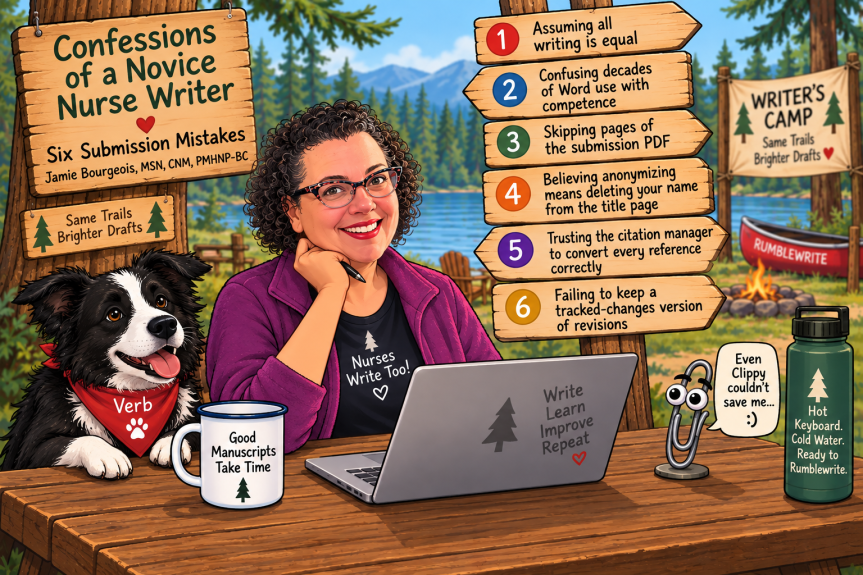
Confessions of a Novice Nurse Writer: Six Submission Mistakes

Jamie Bourgeois outlines key lessons from her experiences in scholarly writing, emphasizing the need to understand different writing styles, master Microsoft Word, and proofread submissions carefully. She discusses common pitfalls like ignoring journal guidelines, failing to keep track of edits, and improper citation management, stressing the importance of attention to detail.

When does an ‘oops’ become a corrigendum?

DaiWai M. Olson, PhD, RN, CCRN, FNC


At the Trailhead

  • Why this matters: Editors, authors, and publishers have a commitment to publish the truth, and mistakes happen.
  • What judgment this supports: When you determine that an author has made an error that does not materially change the results or conclusion, a corrigendum may be appropriate.
  • How an editor might use this: This information can help you determine when and how to publish a corrigendum.

This content is part of the Working Guide to Editorial Systems.

Access is available to subscribers.

Join us for practical guidance, real editorial decisions,

and to learn more about the systems that shape scholarly publishing.

Join Now to Continue Reading

Already a subscriber? Log in here

Trail Stop 14: Not Every Reviewer Has to Review Everything

This article by Leslie H. Nicoll emphasizes that an excellent peer reviewer doesn't need to evaluate every aspect of a manuscript. As nursing science has evolved, specialization has made it unrealistic for one reviewer to fully assess all dimensions. Reviewers should focus on their areas of expertise and communicate their limitations to editors, contributing valuable insights rather than feeling pressure to cover all bases.